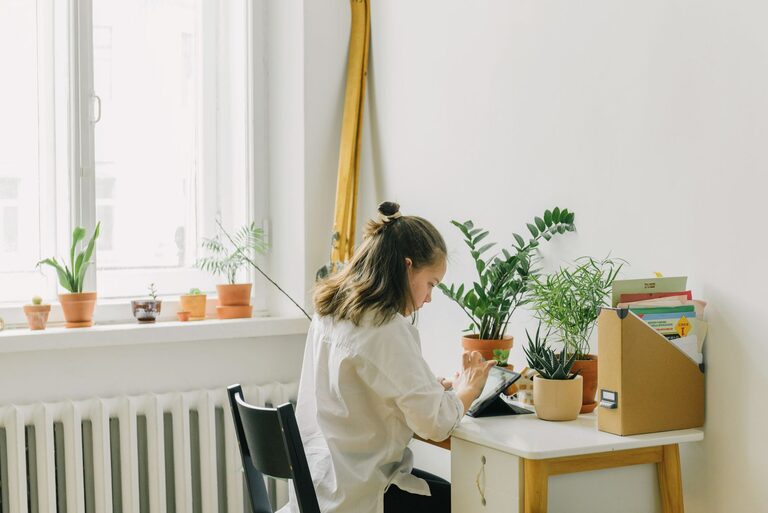
Setting up a home office that is both cozy and productive can greatly enhance your work-from-home experience. Whether you have a dedicated room or a small corner in your living space, creating the right environment helps boost focus, creativity, and comfort. In this post, we’ll share practical tips to help you craft a home office that feels inviting and keeps you productive throughout the day.
Choose the Right Location
The first step is selecting the ideal spot for your home office. Consider these factors:
– Natural Light: Pick a space near a window if possible. Natural light improves mood and reduces eye strain.
– Quiet Environment: Choose a quieter area with minimal distractions for better concentration.
– Space Availability: Ensure you have enough room for your desk, chair, and any storage or equipment you need.
If space is limited, even a small nook can work well if arranged thoughtfully.
Invest in Comfortable and Ergonomic Furniture
Comfort is key for long work hours. Prioritize ergonomic furniture to promote good posture and reduce fatigue.
– Ergonomic Chair: Look for adjustable chairs with lumbar support to keep your back comfortable.
– Proper Desk Height: Your desk should allow your arms to rest comfortably at a 90-degree angle while typing.
– Additional Accessories: Consider wrist rests, footrests, or standing desk converters to customize your setup.
Spending a little more on quality furniture pays off in health and productivity.
Organize Efficiently to Reduce Clutter
A tidy workspace helps clear your mind and keeps you focused. Here’s how to organize your home office:
– Use Storage Solutions: Shelves, drawers, and bins allow you to store supplies neatly.
– Keep Essentials Close: Store frequently used items nearby for easy access.
– Declutter Regularly: Take a few minutes each day to clear unnecessary items.
Labeling shelves or boxes can also help keep things in order, especially if you work with multiple projects.
Add Personal Touches to Boost Comfort
Make your office feel like a space you want to spend time in by adding cozy, personalized elements.
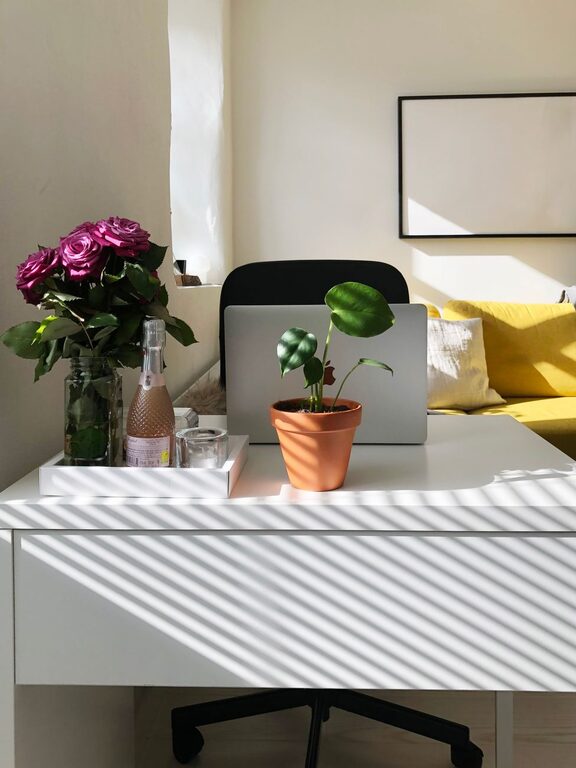
– Plants: Greenery improves air quality and adds a calming vibe to your workspace.
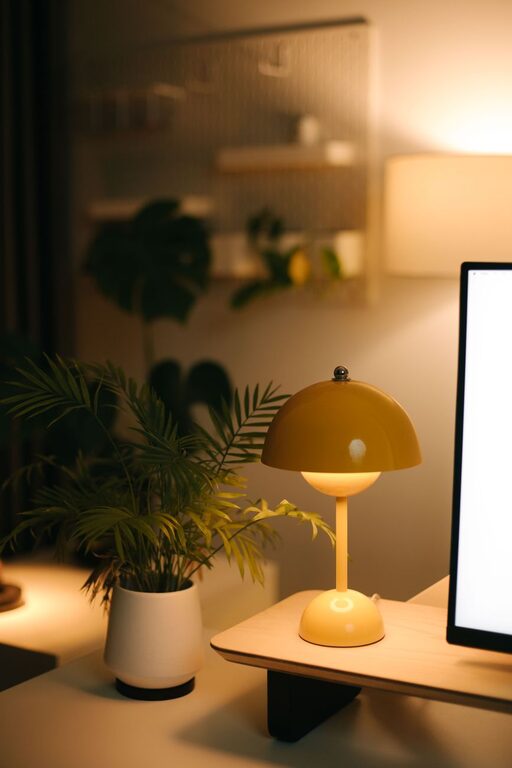
– Soft Lighting: Use desk or floor lamps with warm bulbs instead of harsh overhead lights.
– Decor: Family photos, artwork, or motivational quotes can inspire creativity.
– Textiles: Add a cozy rug or a soft cushion to soften the space and increase comfort.
Balancing personalization without cluttering your workspace is the key.
Maintain Good Lighting and Reduce Eye Strain
Proper lighting is essential for both comfort and productivity.
– Natural Light: Maximize daylight but avoid glare on screens.
– Task Lighting: Use adjustable desk lamps for focused work.
– Ambient Lighting: Soft, indirect lighting in the room reduces contrast and eye strain.
Using screens with adjustable brightness and blue light filters can further protect your eyes during long work sessions.
Establish a Routine and Minimize Distractions
Creating a comfortable space is just part of the equation. Setting clear work routines and boundaries helps maintain productivity.
– Set Work Hours: Define your work schedule to separate professional time from personal time.
– Limit Interruptions: Use noise-canceling headphones or background music if needed.
– Organize Breaks: Step away from your desk regularly to rest your eyes and stretch.
Having a routine supports mental focus and prevents burnout.
Incorporate Technology and Tools Wisely
Equip your home office with the right technology to work efficiently.
– Reliable Internet Connection: Ensure fast, stable Wi-Fi for smooth communication.
– Quality Equipment: Invest in good monitors, keyboards, and headsets.
– Cable Management: Use clips or sleeves to keep cords organized and out of sight.
Regularly updating software and keeping your workspace tidy helps maintain smooth operations.
Keep Your Space Flexible
Your needs may change over time, so design a home office that can adapt.
– Modular Furniture: Choose desks and storage you can rearrange as needed.
– Dual-Purpose Areas: If space is shared, use room dividers or folding furniture.
– Seasonal Adjustments: Add or remove heating or cooling elements for comfort year-round.
Flexibility makes your home office sustainable in the long term.
—
Creating a cozy and productive home office is about balancing comfort, organization, and functionality. By choosing the right location, investing in ergonomic furniture, keeping things organized, and personalizing your space, you can make your work-from-home setup a place where you enjoy spending time and accomplishing your goals. With these tips, your home office can become a calm and inspiring environment that supports both your well-being and productivity.
About the Author