Creating a relaxing home office environment is essential for maintaining productivity and well-being when working from home. A well-designed workspace can help reduce stress, improve focus, and make your workday more enjoyable. Whether you have a small nook or a dedicated room, these practical tips can help you transform your home office into a peaceful and inspiring place.
Choose the Right Location
Your home office location sets the foundation for comfort and relaxation.
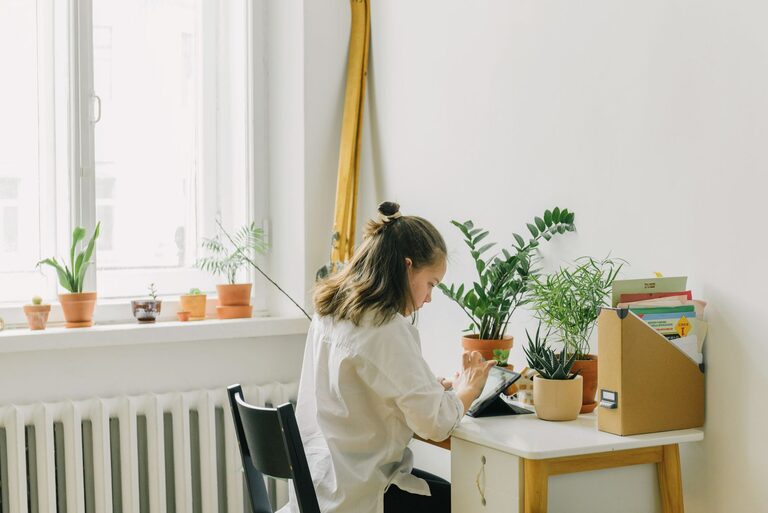
– Natural Light: Whenever possible, set up your workspace near a window. Natural light boosts mood and energy while reducing eye strain.
– Quiet Area: Pick a spot away from high-traffic areas and noisy appliances to minimize distractions.
– Good Ventilation: Fresh air can improve alertness. A room with a window that opens or good airflow works best.
Invest in Comfortable Furniture
Comfortable furniture is key to preventing fatigue and promoting good posture.
– Ergonomic Chair: Choose a chair that supports your lower back and allows your feet to rest flat on the floor.
– Adjustable Desk: A desk with adjustable height helps you alternate between sitting and standing throughout the day.
– Proper Desk Size: Your desk should fit your computer, monitor(s), and essential tools without feeling cramped.
Keep Your Space Organized and Clutter-Free
A tidy workspace helps clear your mind and improve concentration.
– Storage Solutions: Use shelves, filing cabinets, and organizers to keep papers and supplies in order.
– Declutter Regularly: Remove items you don’t use daily to maintain a clean and open workspace.
– Cable Management: Use clips or cable sleeves to keep cords neat and prevent tangling.
Personalize with Calming Elements
Adding personal touches makes your office inviting and can reduce stress.
– Plants: Indoor plants improve air quality and add a touch of nature.
– Soft Textiles: Include a cozy rug or cushions for warmth and comfort.
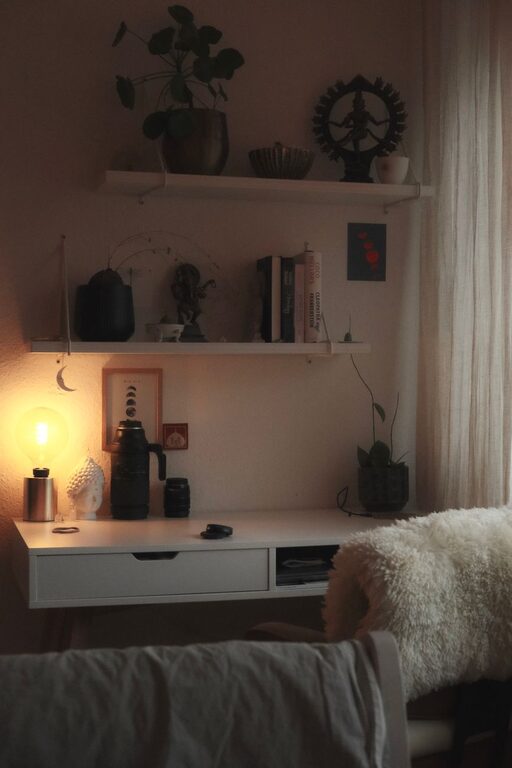
– Artwork: Display pieces that inspire or relax you, such as landscapes or abstract art.
– Color Scheme: Choose soothing colors like blues, greens, or neutrals to create a peaceful atmosphere.
Optimize Lighting for Comfort
Proper lighting reduces eye strain and helps set the right mood.
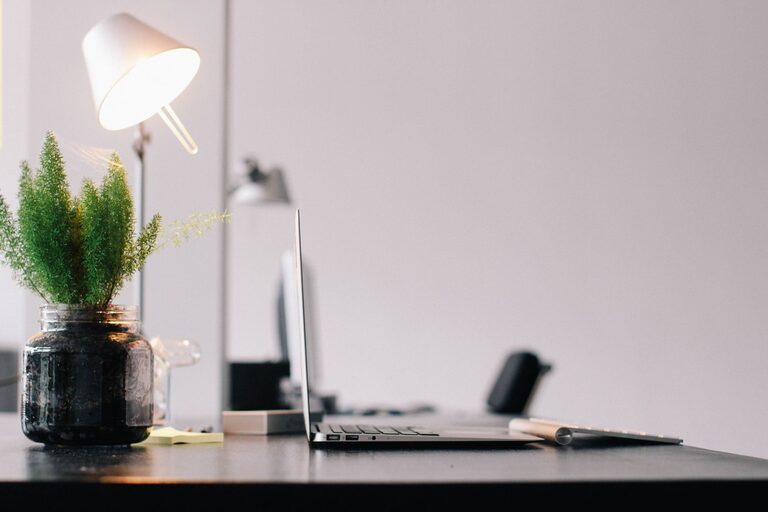
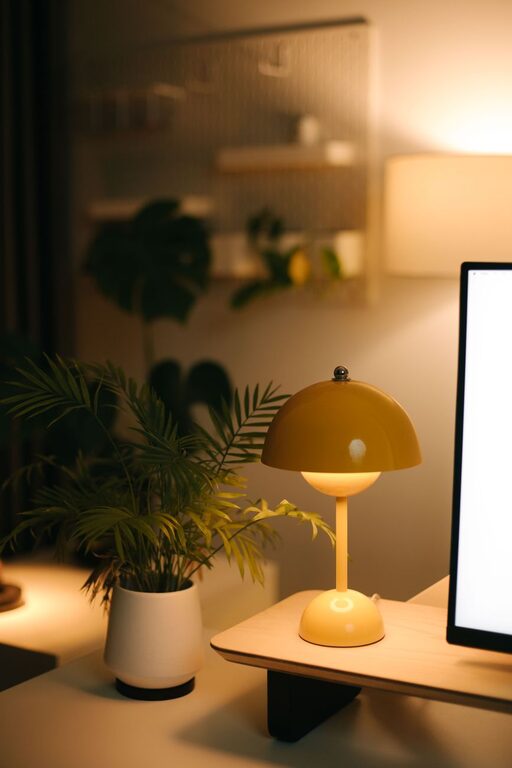
– Layered Lighting: Combine overhead lights with task lighting like desk lamps.
– Adjustable Brightness: Use dimmable lights or lamps with adjustable brightness to suit different times of day.
– Reduce Glare: Position your screen and lights to avoid reflections and glare on the monitor.
Incorporate Relaxation Breaks
Taking short breaks throughout your workday supports mental and physical relaxation.
– Scheduled Breaks: Set reminders to stand, stretch, or take a short walk every hour.
– Mindfulness or Breathing Exercises: Use a few minutes to practice deep breathing or meditation within your office space.
– Comfortable Seating: Include a small chair or cushion where you can take brief rests away from your desk.
Control Noise Levels
Managing sound is essential for focus and calmness.
– Soundproofing: Use rugs, heavy curtains, or acoustic panels to absorb noise.
– White Noise: Consider a white noise machine or calming nature sounds to mask distracting background noise.
– Noise-Canceling Headphones: Great for blocking out distractions when you need to concentrate.
Maintain Good Air Quality
Clean and fresh air keeps you alert and healthy.
– Regular Cleaning: Dust and vacuum frequently to reduce allergens.
– Ventilation: Open windows when possible or use an air purifier.
– Humidity Control: Maintain balanced humidity levels to avoid dry air or excess moisture.
Set Boundaries Between Work and Home Life
Creating mental separation helps maintain relaxation beyond work hours.
– Dedicated Workspace: Keep work materials confined to your office area.
– End-of-Day Routine: Develop a ritual to signal the end of your workday, such as shutting down your computer or tidying your desk.
– Limit Work Outside Office: Avoid working in other rooms if possible to preserve relaxation spaces.
Final Thoughts
A relaxing home office environment combines comfort, organization, and personalization to support your productivity and well-being. By thoughtfully choosing your space, investing in ergonomic furniture, and incorporating calming elements, you can make your home office a place you look forward to working in every day. Remember, small changes like better lighting, noise control, and scheduled breaks also make a big difference. Start with a few of these tips and build a home office that works for you.
About the Author