
Creating a relaxing home workspace is essential for maintaining productivity and comfort, especially as more people work remotely or spend significant time at home. A well-designed workspace can reduce stress, enhance focus, and promote a better work-life balance. In this post, we’ll explore simple, effective tips to help you create your ideal home workspace that supports both relaxation and productivity.
Why a Relaxing Workspace Matters
When your workspace feels cluttered, uncomfortable, or uninspiring, it’s easy to lose focus and motivation. On the other hand, a calming and well-organized environment can improve mental clarity, reduce distractions, and boost your overall efficiency. By making intentional choices in your home office setup, you can create a space that encourages you to work better and feel more comfortable.
Start with the Right Location
Choosing the right spot for your workspace is the first step to creating a relaxing atmosphere.
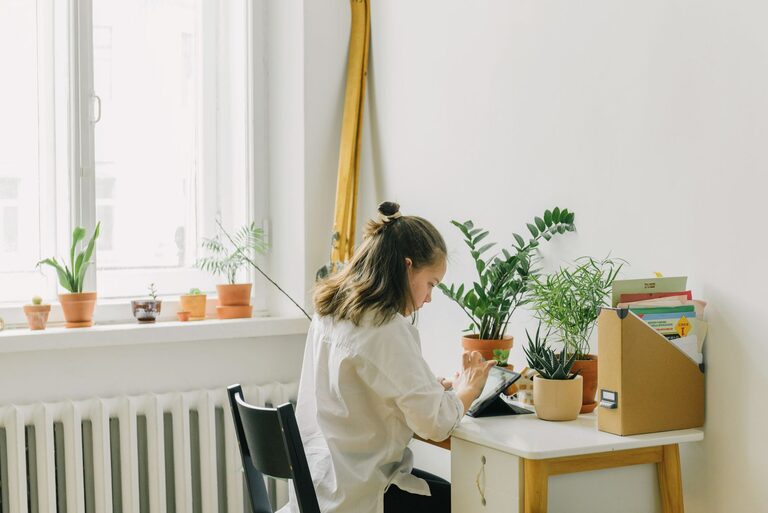
– Natural light: Position your desk near a window if possible to take advantage of natural light. Sunlight helps regulate your body clock and improves mood.
– Reduced noise: Select a quiet corner or room where you won’t be frequently interrupted or distracted by household noises.
– Space availability: Ensure there’s enough room for your desk, chair, and any equipment you need, without feeling cramped.
Invest in Comfortable and Supportive Furniture
Ergonomics play a crucial role in maintaining comfort during long hours of work.
– Ergonomic chair: Choose a chair that supports your lower back and encourages good posture. Adjustable height and armrests add flexibility.
– Desk height: Your desk should be at a comfortable height to avoid strain on your wrists and shoulders. Standing desks or adjustable desks offer added options.
– Footrest and accessories: If your feet don’t rest flat on the floor, a footrest can help maintain healthy posture. Consider monitor risers to keep your screen at eye level.
Keep Your Workspace Organized and Clutter-Free
Clutter can create unnecessary stress and distraction. Maintaining an organized workspace helps you focus better.
– Storage solutions: Use shelves, drawers, and desk organizers to keep supplies neat and accessible.
– Minimalist approach: Only keep items on your desk that you use daily. Store away less frequently used items.
– Cable management: Use clips or sleeves to manage cords and keep your desk tidy.
Personalize Your Workspace for Comfort
Adding personal touches can make your workspace feel inviting without creating distractions.
– Plants: A small plant or two can improve air quality and add a calming natural element.
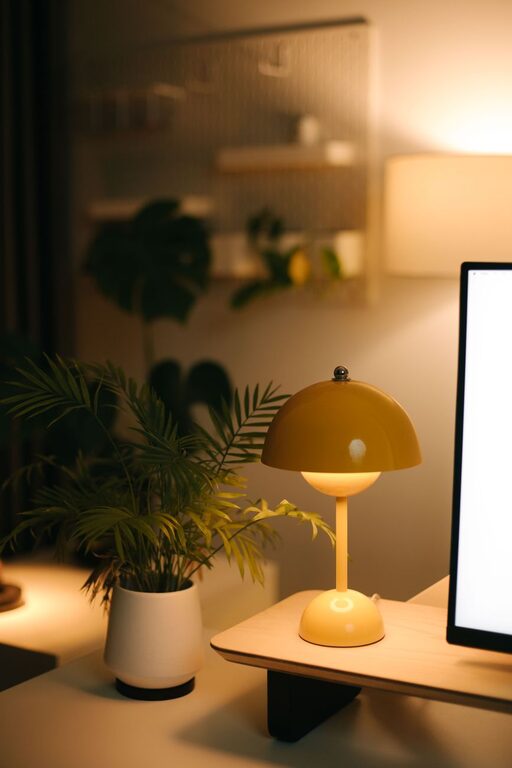
– Lighting: Use soft, warm lighting options like desk lamps or LED bulbs with adjustable brightness settings.
– Colors: Choose soothing colors for your walls or decor. Soft blues, greens, or neutrals tend to create a peaceful environment.
Incorporate Mindfulness and Relaxation Elements
Creating moments of calm during your workday helps reduce stress and recharge your focus.
– Aromatherapy: Consider a diffuser with calming scents like lavender or eucalyptus.
– Break area: If space allows, set up a small nook with a comfortable chair or cushion where you can take short breaks.
– Mindful reminders: Place inspirational quotes or simple reminders to breathe deeply and stay present.
Optimize Technology for Ease and Comfort
Your tech setup should support efficient work without adding strain or frustration.
– Monitor placement: Position monitors at eye level to prevent neck strain.
– Keyboard and mouse: Ergonomic models can reduce wrist discomfort.
– Headphones: Noise-cancelling headphones can help block distractions if your workspace isn’t completely quiet.
Maintain a Routine and Clean Regularly
A clean, routine environment helps establish productive habits.
– Daily tidying: Spend a few minutes at the end of each day to clear your desk and organize supplies.
– Regular deep cleaning: Dust and clean surfaces weekly to keep your space fresh.
– Consistent hours: Try to start and stop work at set times to create boundaries between work and relaxation.
Final Thoughts
Creating a relaxing home workspace doesn’t require a major renovation. Small changes like choosing the right chair, adding plants, and keeping your area tidy can make a big difference in how you feel and work throughout the day. By thinking about comfort, organization, and ambiance, you’ll set yourself up for greater productivity and well-being from the comfort of your home.
About the Author