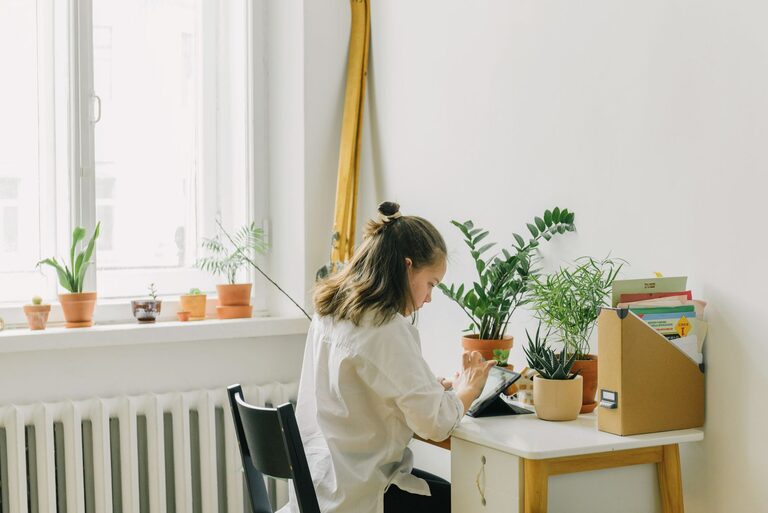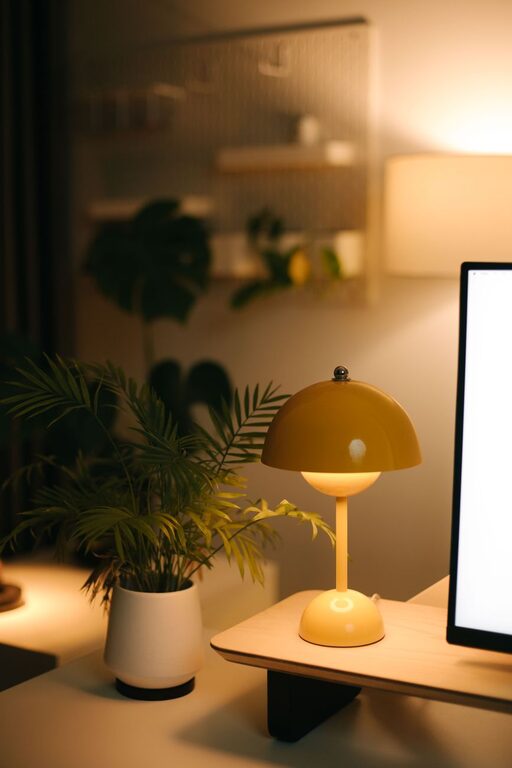
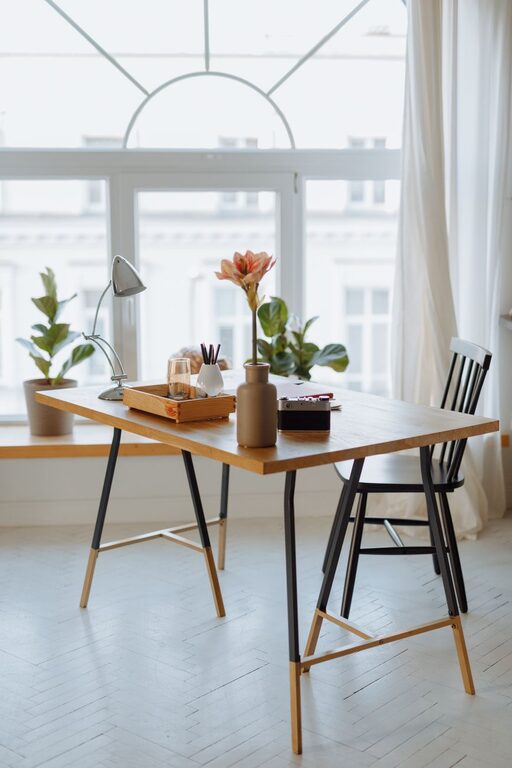
Creating a cozy and functional home office space is essential for anyone who works from home or needs a dedicated area for personal projects. A well-designed home office can boost productivity, reduce distractions, and provide comfort during long hours of work. In this post, we’ll explore practical tips to help you create a workspace that feels inviting and supports your daily tasks.
1. Choose the Right Location
Finding the right spot for your home office is the first step. Ideally, select a quiet area of your home with minimal foot traffic to reduce distractions. If possible, choose a room with natural light, which can improve mood and focus.
Consider these factors when picking a location:
– Proximity to your main living areas without being too close to noise sources
– Access to power outlets and internet connections
– Enough space for your desk, chair, and storage
If space is limited, look for creative options like a nook, a corner of a bedroom, or even a section of the dining room.
2. Invest in Comfortable and Supportive Furniture
Since your home office will be where you spend many hours, comfort is key. An ergonomic chair and desk can prevent discomfort and health issues.
Tips for furniture selection:
– Choose an adjustable chair that provides good lumbar support
– Use a desk at the right height for you to maintain good posture
– Consider a sit-stand desk to alternate between sitting and standing throughout the day
– Add a footrest if your feet don’t touch the floor comfortably
A well-chosen desk and chair can make a big difference in comfort and productivity.
3. Optimize Lighting
Good lighting reduces eye strain and increases focus. Aim for a mix of natural and artificial light sources.
Lighting tips:
– Position your desk near a window to make the most of daylight
– Use sheer curtains to diffuse harsh sunlight
– Add a desk lamp with adjustable brightness for focused tasks
– Avoid glare on computer screens by positioning lights or monitors carefully
Soft, warm lighting can also add to the cozy feel of your workspace.
4. Personalize Your Space with Decor
Adding personal touches makes your office inviting and helps express your style. This can positively influence your mood and motivation.
Ideas for personalization:
– Hang artwork or photos that inspire you
– Use plants to bring life and fresh air into the room
– Choose decorative storage containers that match your style
– Add a cozy rug or throw blanket for warmth and texture
Balance personalization with simplicity to keep your workspace organized and free of clutter.
5. Keep It Organized and Clutter-Free
Maintaining an organized home office helps minimize distractions and saves time looking for supplies.
Organization tips:
– Use shelves, drawers, or filing cabinets to store documents and supplies
– Keep only essential items on your desktop
– Use cable organizers to manage cords and chargers
– Set aside a few minutes daily or weekly to tidy up your space
Creating designated areas for different tasks or materials can also improve workflow.
6. Incorporate Functional Technology
Technology can enhance your work experience when chosen and set up wisely.
Consider these tech tips:
– Invest in a reliable computer and fast internet connection
– Use a wireless keyboard and mouse for flexibility
– Employ noise-canceling headphones if background noise is a concern
– Use multiple monitors or a monitor stand to increase screen space
Ensure cables and devices are neatly arranged to avoid clutter and safety hazards.
7. Create Zones for Different Activities
If your workspace is large enough, designate areas for specific tasks. For example, a main desk for computer work and a side table for writing or brainstorming.
Benefits of zoning:
– Helps shift focus and prevent fatigue
– Organizes supplies and tools according to use
– Enhances creativity by changing physical locations when switching tasks
Even small areas can benefit from this approach through the use of trays, baskets, or organizers.
8. Add Comfort Enhancements
Small adjustments can increase comfort and make your office more inviting.
Comfort ideas:
– Use an adjustable fan or heater to maintain a comfortable temperature
– Place a soft cushion on your chair for extra comfort
– Have a water bottle or mug nearby to stay hydrated
– Use scented candles or essential oil diffusers for a pleasant atmosphere
Comfort is a key ingredient to staying motivated and focused.
Conclusion
Creating a cozy and functional home office space is about balancing comfort, practicality, and personal style. By carefully selecting your location, investing in ergonomic furniture, optimizing lighting, and keeping your workspace organized, you can create an environment that supports your work and enhances your well-being. Remember that a little personalization and comfort upgrades go a long way in making your home office a place you enjoy spending time.
Start with these tips today, and tailor your space to fit your unique needs!
About the Author