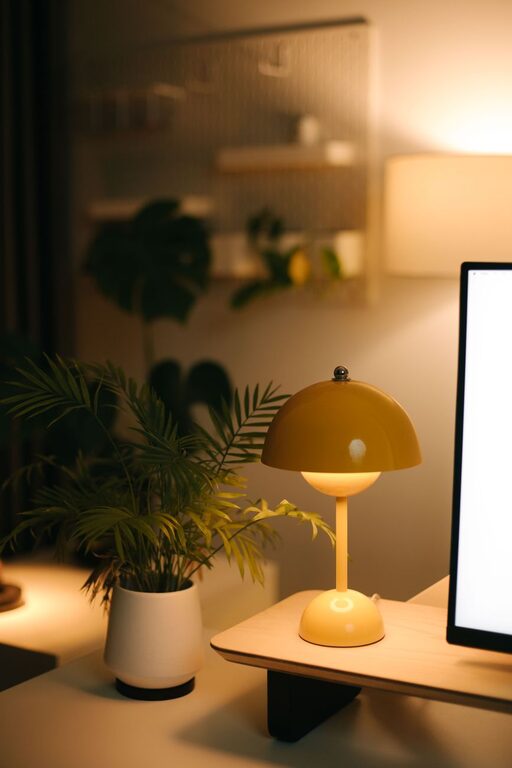

Creating a cozy and functional home office space is more important than ever, especially as many of us spend significant time working from home. A well-designed home office can boost productivity, reduce stress, and make work feel more enjoyable. Whether you have a dedicated room or a small corner, the key is to blend comfort with function.
In this guide, we’ll explore practical tips to help you create a home office that invites focus while feeling inviting and cozy.
1. Choose the Right Location
The first step in setting up your office is selecting the best spot. Here are some things to consider:
– Natural light: Position your desk near a window if possible. Natural light can improve mood and reduce eye strain.
– Quietness: Pick a quiet area away from household noise and distractions.
– Space: Ensure you have enough room for your furniture and supplies, while allowing easy movement.
– Privacy: If you share your home with others, find a space that offers some privacy or can be closed off.
Even a corner in your living room can work with the right setup!
2. Invest in Comfortable Furniture
Comfort is essential since you’ll likely spend several hours sitting and working.
– Ergonomic chair: Look for a chair that supports your lower back and encourages good posture.
– Appropriate desk: Choose a desk size that fits your needs—enough surface for your laptop, monitor, and workspace without feeling cramped.
– Adjustable options: Desks or chairs with adjustable heights can help you find the most comfortable setup.
– Additional seating: Have a small lounge chair or cushion nearby for when you want to take breaks or brainstorm away from your desk.
Comfort directly impacts your productivity and overall wellbeing.
3. Optimize Lighting
Good lighting is key to preventing eye strain and creating a pleasant environment.
– Layered lighting: Combine ambient (overhead) lighting with task lighting such as a desk lamp.
– Warm light bulbs: Use bulbs that emit a warm or soft white light to create a cozy atmosphere.
– Avoid glare: Position screens and light sources to minimize glare on your computer.
– Personal touches: String lights or small lamps can add personality and warmth.
Adjust your lighting setup based on the time of day and your tasks for optimal comfort.
4. Keep Clutter Under Control
A tidy space helps maintain focus and reduces stress.
– Storage solutions: Use shelves, filing cabinets, or storage boxes to keep documents and supplies organized.
– Desk organizers: Pencil holders, trays, and drawer dividers make it easy to keep everyday items in order.
– Cable management: Use clips or cable sleeves to keep cords neat and prevent tangling.
– Regular clean-up: Set aside a few minutes daily or weekly to tidy your workspace.
An organized office encourages a clear mind.
5. Personalize Your Space
Add touches that make your office feel uniquely yours without overwhelming the space.
– Artwork or photos: Hang a few pieces that inspire or calm you.
– Plants: Incorporate greenery to improve air quality and add life.
– Decorative items: Choose a few meaningful objects such as a favorite mug, clock, or colorful stationery.
– Color schemes: Use calming colors like blues and greens, or energizing tones like yellows, depending on your preference.
Personalization can make work feel less like a chore and more enjoyable.
6. Use Technology Wisely
Equip your home office with the right technology without overloading your desk.
– Reliable internet: A strong connection is essential for smooth remote work.
– Monitor setup: A larger monitor or dual screens can improve productivity.
– Headphones: Noise-cancelling headphones can help you focus in noisy environments.
– Charging stations: A dedicated spot for charging devices keeps things organized.
Keep technology updated but avoid cluttering your space with unnecessary gadgets.
7. Incorporate Break and Movement Zones
To stay healthy and refreshed, include spaces or routines that encourage movement.
– Standing options: Consider a sit-stand desk or take breaks to stand up and stretch.
– Stretching space: Clear a small area for yoga or stretches.
– Relaxation corner: A comfy chair or soft rug can serve as a spot to take short mental breaks.
Regular movement helps reduce fatigue and mental burnout.
8. Maintain Good Air Quality
Improving air quality can help you feel more alert and comfortable.
– Ventilation: Open windows when possible to let fresh air in.
– Air-purifying plants: Plants like spider plants and peace lilies naturally clean the air.
– Air purifier: If needed, use a small air purifier for better indoor air quality.
– Avoid strong scents: Be mindful of perfumes or cleaning products that may cause headaches or allergies.
A fresh environment supports well-being and productivity.
—
Creating a cozy and functional home office is about balancing comfort with efficiency. Small changes in your layout, furniture, lighting, and organization can make a big difference in your daily work experience. Start with one or two tips and gradually build a space that feels like your own personal productivity haven. Whether you’re working full-time from home or just need a spot for occasional tasks, your ideal workspace is within reach. Happy decorating and productive working!
About the Author